CATS
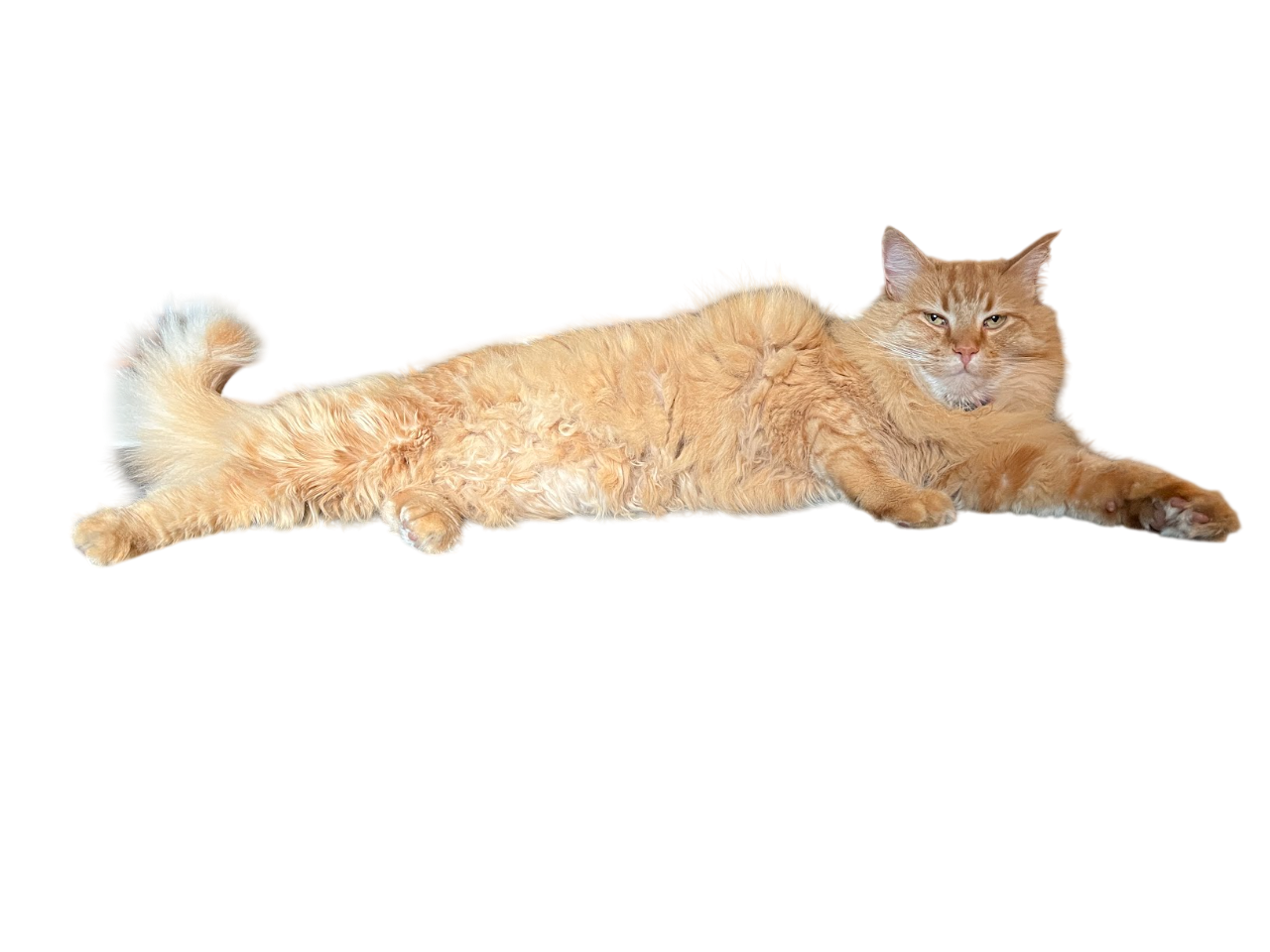 Hello! I'm Mila, the webmaster's cat.
Breed of the Day: Searching for a cat...
Initializing...
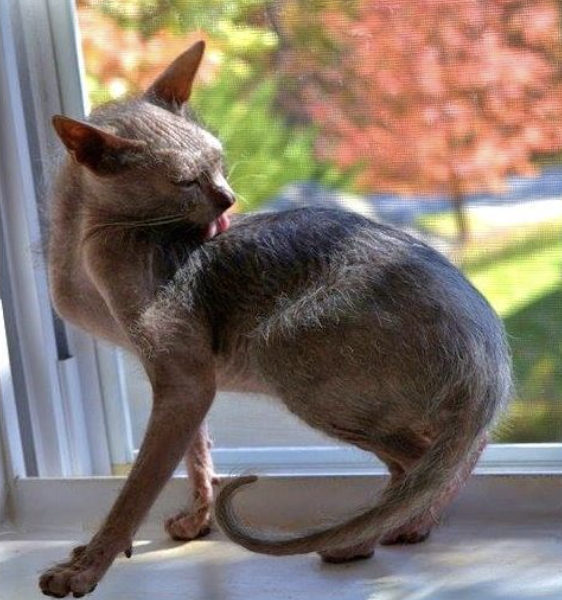
Lykoi
The Lykoi, also known as the wolf cat or werewolf cat, is a naturally occurring breed of cat resulting from a mutation causing hypotrichia (congenital alopecia) in domestic short-haired cats. This mutation has been identified in domestic cats over the last 20 years, and DNA testing by UC Davis confirmed that Lykoi cats do not carry the Sphynx or Devon Rex genes. The breed was developed by Brittney Gobble in Vonore, Tennessee, and is recognized by both The International Cat Association (TICA) and The Cat Fanciers' Association (CFA).
Lykoi cats are characterized by their partially hairless appearance, with a roan coat pattern that can vary from mostly covered to almost completely hairless. They have a wedge-shaped head, large ears, and striking golden eyes, giving them a wolf-like appearance.
While generally healthy, Lykoi cats are prone to certain skin conditions, including lymphocytic perifollicular to mural folliculitis and increased sebaceous gland area, which can lead to issues like blackheads and cysts. The breed is considered to have an average lifespan of 12–15 years.
The Lykoi breed was first recognized by TICA in 2012 as "Registration Only" and achieved Championship status in 2017. CFA accepted the breed for registration in 2018 and advanced it to championship status in 2023. The breed's development involved extensive outcrossing with domestic shorthair cats to minimize genetic inbreeding and maintain the distinctive phenotype.
According to an article on Messybeast, Patti Thomas discovered the first two naturally hairless cats, which became the foundation of the Lykoi breed, and entered a co-ownership agreement with breeders Johnny and Brittney Gobble. The agreement was meant to ensure shared control over breeding and decision-making, but the Gobbles allegedly violated it by blocking Patti from communication, changing the cats’ names, and registering litters without her consent. They also restricted her access to the cats and prevented her from acquiring new ones, effectively sidelining her despite her legal ownership. The dispute escalated when Patti was accused of violating a shelter spay/neuter contract, which she denied, and when the Gobbles used intimidation tactics to control the breed, including threatening breeders who supported her.
The core of the conflict centers on the treatment of the original cats, which were moved from Patti’s home, where they were socialized and affectionate, to a cage-based breeding facility at the Gobbles’ veterinary clinic. There, the cats were subjected to stressful conditions, including controlled lighting cycles to manipulate their reproductive cycles and a lack of enrichment. The foundation male, Silver Lining, died of hypothermia after escaping a cage and being left outside in cold weather, while the foundation female, Ray of Hope, became traumatized and fearful of males. The Gobbles are also accused of misrepresenting the genetics of the breed, including claims about blue-eyed cats and potential crossbreeding with Sphynx cats, which contradicts the breed standard. The dispute has led to a broader controversy over breeding ethics, animal welfare, and the control of a breed that has grown beyond the influence of any single individual or group.
Generally a very dramatic and shocking story. I do hope that the cats are okay.
The mutation is recessive, meaning both parents must carry the gene for it to be expressed in offspring. Despite their hairless appearance, Lykoi cats are not considered a "true" hairless breed, as they retain some hair, particularly on their bodies, which can vary in amount and seasonally.
The individual in the photo is named Ray of Hope. That's her two years after leaving the Gobbles’ breeding facility and returning to Patti Thomas.
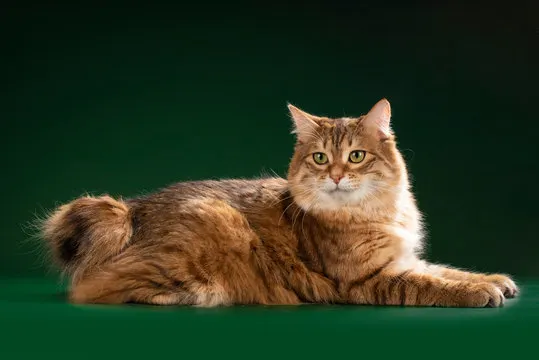
Kurilian Bobtail
The Kurilian Bobtail is a medium to large, muscular cat with a naturally occurring short tail composed of kinked or fused vertebrae. Coat length can be short or semi-long, often dense to withstand cold climates.
Temperament is typically confident, social, and observant. Many individuals show dog-like tendencies such as following owners or showing interest in water, though they remain relatively independent.
The breed originates from the Kuril Islands between Russia and Japan, where it developed through natural selection rather than planned breeding. It has existed for centuries in relative isolation.
Genetically, the bobtail trait is distinct from the Manx gene and does not cause spinal deformities when responsibly bred. High genetic diversity remains due to its landrace origins.
Sokoke
The Sokoke is a slender, long-legged cat with a short coat marked by a modified classic tabby pattern known as the “African tabby.” The coat lacks underfur, giving it a close, glossy appearance.
Temperament is active, alert, and reserved with strangers. Sokokes tend to form strong bonds with familiar people and prefer structured environments.
This breed originates from the Arabuko-Sokoke Forest in Kenya, where it evolved as a naturally occurring domestic cat population before being recognized internationally.
Genetically, Sokokes are notable for their minimal contribution from Western cat breeds. Their patterning and lean body type are linked to adaptation to a warm forest environment.
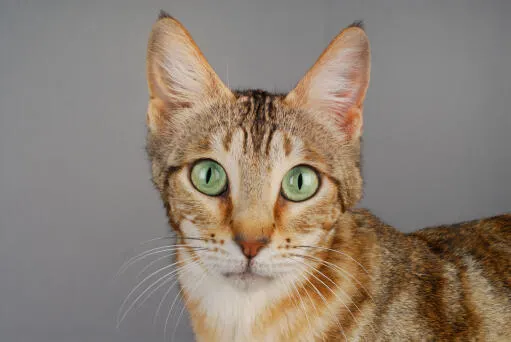
Asian Semi-longhair/Tiffanie
The Asian Semi-longhair, or Tiffanie is an elegant, medium-sized cat with a silky coat and plumed tail. The body is refined but muscular, with expressive almond-shaped eyes.
Temperament is typically gentle, people-oriented, and communicative without being overly vocal. They tend to be sensitive to environmental changes.
The breed developed in the United Kingdom from crosses involving Burmese-type cats and longhaired varieties, though it remains uncommon outside Europe.
Genetically, it shares much of its foundation with the Burmese lineage, including coat texture and facial structure, while the longhair gene is recessive.
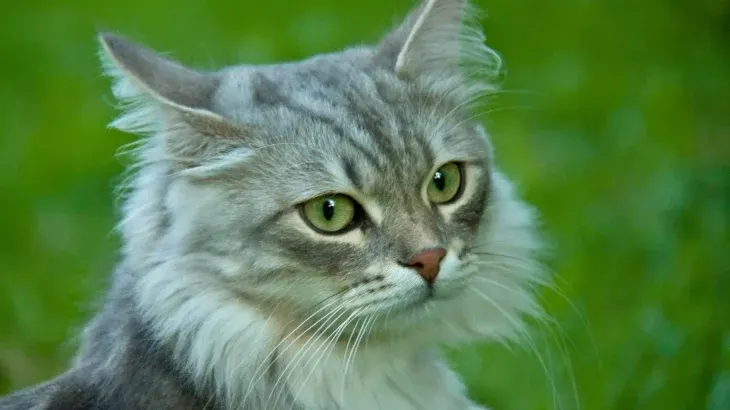
Ojos Azules
The Ojos Azules is a rare and now officially extinct breed of domestic cat originating in the United States, known for its striking deep blue eyes. The breed was discovered in the 1980s among feral cat populations in New Mexico, with the first documented cat, a tortoiseshell named Cornflower, identified in 1984. Cornflower's offspring consistently exhibited deep blue eyes when bred with non-blue-eyed males, indicating a dominant genetic trait. The breed was named "Ojos Azules," meaning "blue eyes" in Spanish, for its most distinctive feature.
The Ojos Azules breed's deep blue eye color was described as richer and darker than that seen in Siamese cats, and was not linked to specific coat colors or patterns, allowing for the possibility of dark-coated cats with blue eyes. The breed had both short-haired and semi-longhaired varieties, with a medium-sized, graceful body, large round eyes, and a slightly triangular head shape. A characteristic feature was a flattened white tail tip, which served as an indicator of the presence of the Ojos Azules gene.
Despite its unique traits, the breed faced significant challenges due to a lethal genetic mutation associated with the dominant blue eye (DBE) gene. When a kitten inherited two copies of the gene (homozygous), it resulted in severe cranial deformities, white fur, a curled tail, and often stillbirth.
Breeding was therefore restricted to heterozygous matings (between a blue-eyed Ojos Azules cat and a non-blue-eyed cat) to produce approximately 50% blue-eyed kittens without the lethal defects. Due to these health concerns, breeders ceased efforts to maintain the breed, and it became officially extinct.
Although the breed no longer exists, the Ojos Azules gene has been studied, and other dominant blue eye (DBE) mutations have since been identified in cats worldwide, leading to new breeds or approved eye color variants in existing breeds. However, only cats descending from the original foundation cat Cornflower are considered true Ojos Azules, and no living Ojos Azules cats exist today. The exact number of Ojos Azules cats ever registered is known, and it is zero, as the breed is no longer maintained.
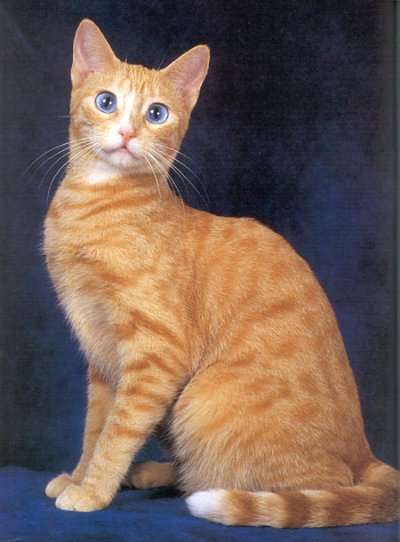
German Rex
The German Rex is a medium-sized cat breed originating in Germany, known for its soft, wavy coat and friendly, intelligent nature. It has a sturdy, muscular build similar to the European Shorthair, with a round head, large expressive eyes, and slightly curled whiskers. Typically weighing between 3 to 5 kg, this breed is more robust than the Cornish or Devon Rex. Its short, curly coat lacks guard hairs, giving it a plush, velvety texture that requires minimal grooming. Weekly brushing is sufficient, though the coat can become greasy and may need occasional bathing.
All coat colors and patterns are accepted, and eye color varies widely, ideally complementing the coat. The breed traces back to a black female cat named Lämmchen, found in East Berlin after World War II, whose natural genetic mutation led to the wavy coat. Though once bred more widely, the German Rex is now rare, even in Germany, as it was often interbred with the Cornish Rex due to genetic compatibility.
German Rex cats are affectionate, social, and adaptable, forming strong bonds with their families and getting along well with children and other pets. They are playful and intelligent, enjoying interaction and mental stimulation. Despite their rarity, they are generally healthy with a lifespan of 9 to 14 years. Due to limited breeding programs, the German Rex remains a seldom-seen gem among curly-coated cat breeds.
Genetically, the German Rex differs from the wild-type cat through a recessive mutation in the LPAR6 gene (lysophosphatidic acid receptor 6), which is responsible for its soft, wavy coat. This mutation affects hair structure by disrupting the normal development of the hair shaft, resulting in a coat that lacks guard hairs and consists only of soft, curly down hairs.
Unlike the Devon Rex and Sphynx, which have mutations in the KRT71 gene, the German Rex shares the same LPAR6 mutation as the Cornish Rex, indicating a common genetic origin for their curly coats. This mutation is recessive, meaning a cat must inherit two copies (one from each parent) to express the wavy coat. Cats with only one copy or no copies have the straight, wild-type coat.
The German Rex mutation arose spontaneously and is not linked to the KRT71-related rexoid traits, making it genetically distinct from other curly-coated breeds like the Devon Rex, despite similar appearances.
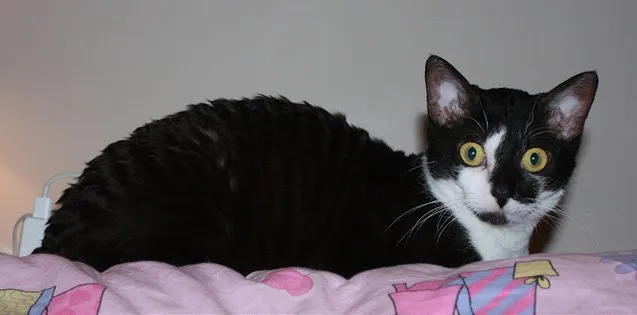
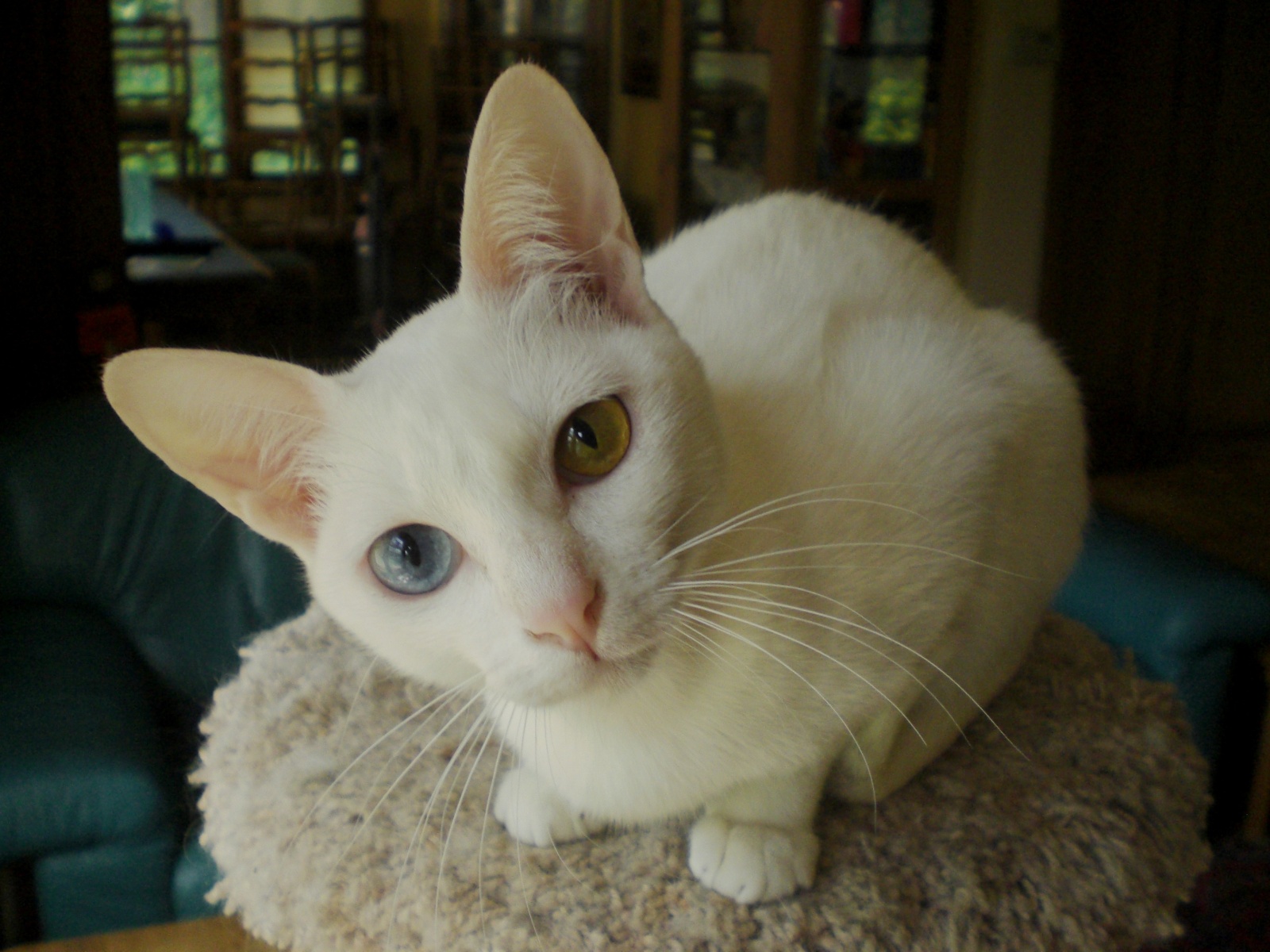
Khao Manee
The Khao Manee, also known as the Diamond Eye cat or White Gem, is a rare and ancient breed of domestic cat originating in Thailand. It is a solid-white cat with a short, smooth coat and is known for its striking, jewel-like eyes which can be blue, gold, copper, amber, green, or even odd-eyed. They are also noted for being relatively low-shedding, though their white coats can show hair on furniture and clothing, and they may benefit from occasional baths to maintain their brilliant white appearance.
The Khao Manee cat has a rich history rooted in Thailand, where it is considered a sacred and auspicious breed. It is mentioned in the Tamra Maew, an ancient Thai text on cats, which dates back to the 14th century. The breed is believed to have been favored by Thai royalty, who saw it as a symbol of good luck and prosperity.
The Khao Manee cat is genetically distinct from wild-type cats primarily due to its white coat and specific eye coloration, which are the result of selective breeding. Wild-type cats typically have tabby, spotted, or bicolor patterns with a range of colors, and their eye colors are usually yellow, green, or gold. The Khao Manee's solid white coat is caused by a recessive gene that results in the absence of pigment in the fur, a trait not commonly found in wild-type cats. This genetic trait is linked to the cat's eye color, which can vary from blue to gold, copper, or even odd-eyed, due to the lack of melanin in the iris. The breed's unique appearance and health characteristics are maintained through careful breeding practices that preserve these specific genetic traits.
he breed was nearly extinct due to the decline of traditional Thai cat breeding practices and the introduction of other cat breeds into Thailand. However, efforts by dedicated breeders in the late 20th century helped to revive the Khao Manee, and it is now recognized by several cat registries, including the International Cat Association (TICA) and the Cat Fanciers' Association (CFA).
The individual in this photo is named Leela.