



























1985 (Windows 1.0): Microsoft Paint was introduced as Paintbrush, a basic bitmap graphics editor. It supported monochrome images and used the MSP file format. The interface was simple, with basic drawing tools like lines, shapes, and text.
Windows 3.0/3.1 (1990-1992): Paintbrush gained color support and the ability to save in standard file formats like BMP. The interface was improved with better organization of tools and menus.
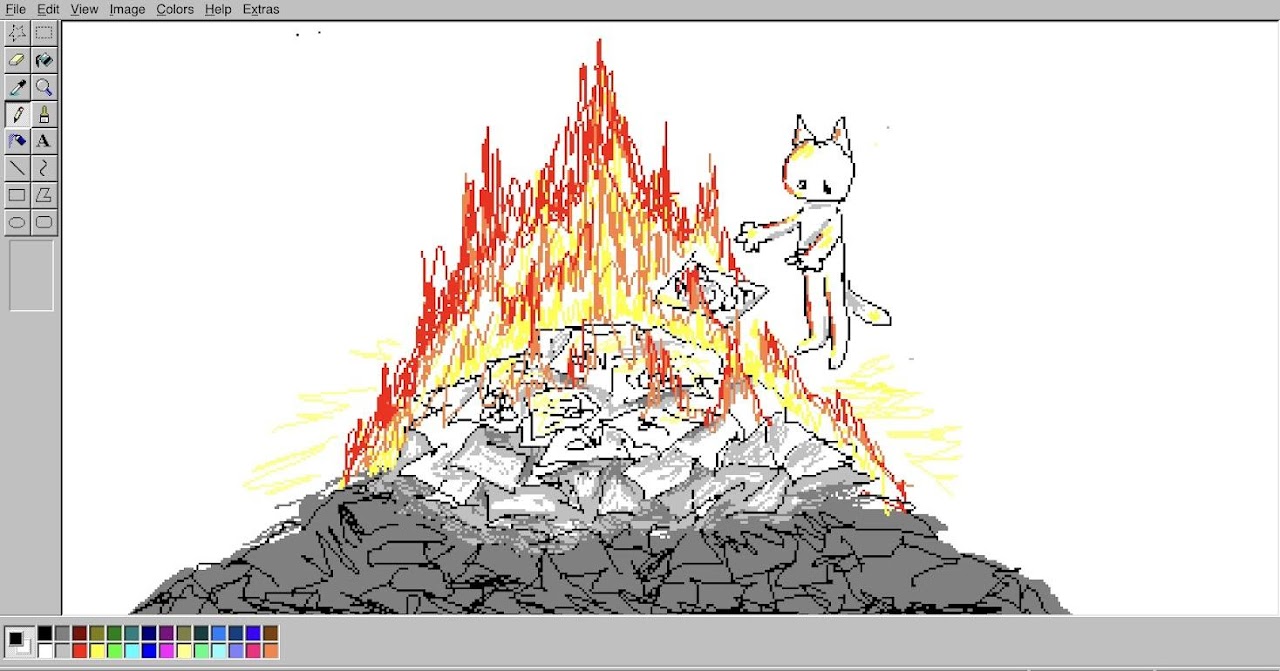
Windows 95/98/ME (1995-2000): Renamed Microsoft Paint, it adopted a cleaner design aligned with the new Windows interface. JPEG, GIF, and PNG file support were introduced. The toolbar was updated for easier use, and the Eraser and Fill tools were improved.
Windows XP (2001): Paint received a modernized interface with toolbar enhancements, smoother color palette navigation, and minor performance improvements. The app began supporting transparency in GIFs.
Windows Vista (2006): Paint's design was updated with Windows Aero-style icons, and features like anti-aliased shapes and gradient fills were added. Its usability improved, but functionality remained basic.
Windows 7 (2009): Paint underwent a significant overhaul with a Ribbon interface, improving accessibility to tools and options. Features like artistic brushes, a broader color palette, and support for touch and pen input made it more versatile.
Windows 8/8.1 (2012-2013): Minor tweaks aligned Paint with the flat design style of the new OS. Touch capabilities were enhanced, but no major feature upgrades were added.
Windows 10 (2015): Paint retained its Ribbon UI but saw the launch of Paint 3D in 2017 as a more advanced counterpart. While traditional Paint remained, it saw minor updates, such as better integration with other Windows features like the Share menu.
Windows 11 (2021): Paint received a redesign to match Windows 11's "Fluent Design" system, with rounded corners, updated icons, and a more streamlined interface. It retained its core simplicity while improving usability. A dark mode option was added, catering to modern design standards.
Kid Pix Archive



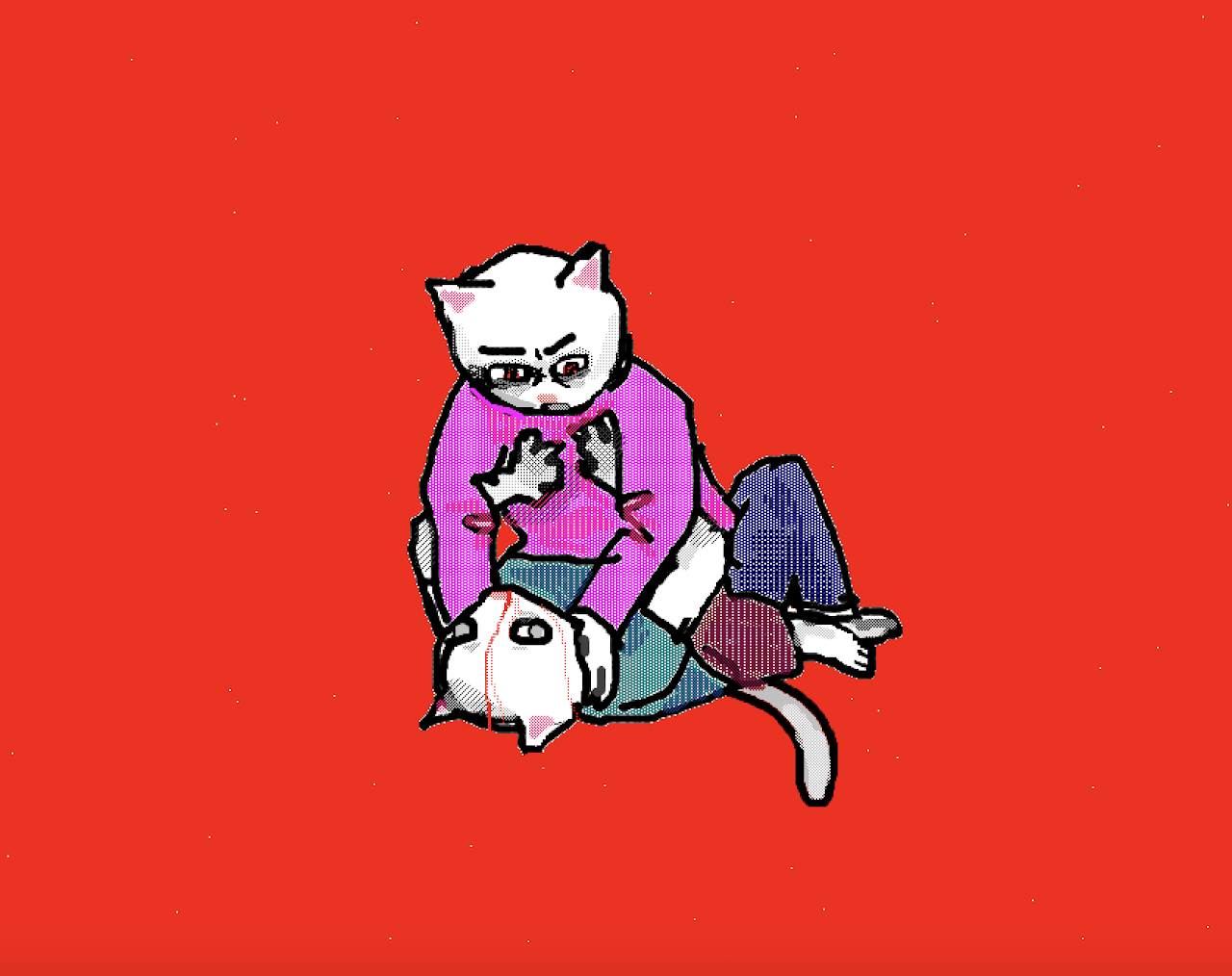

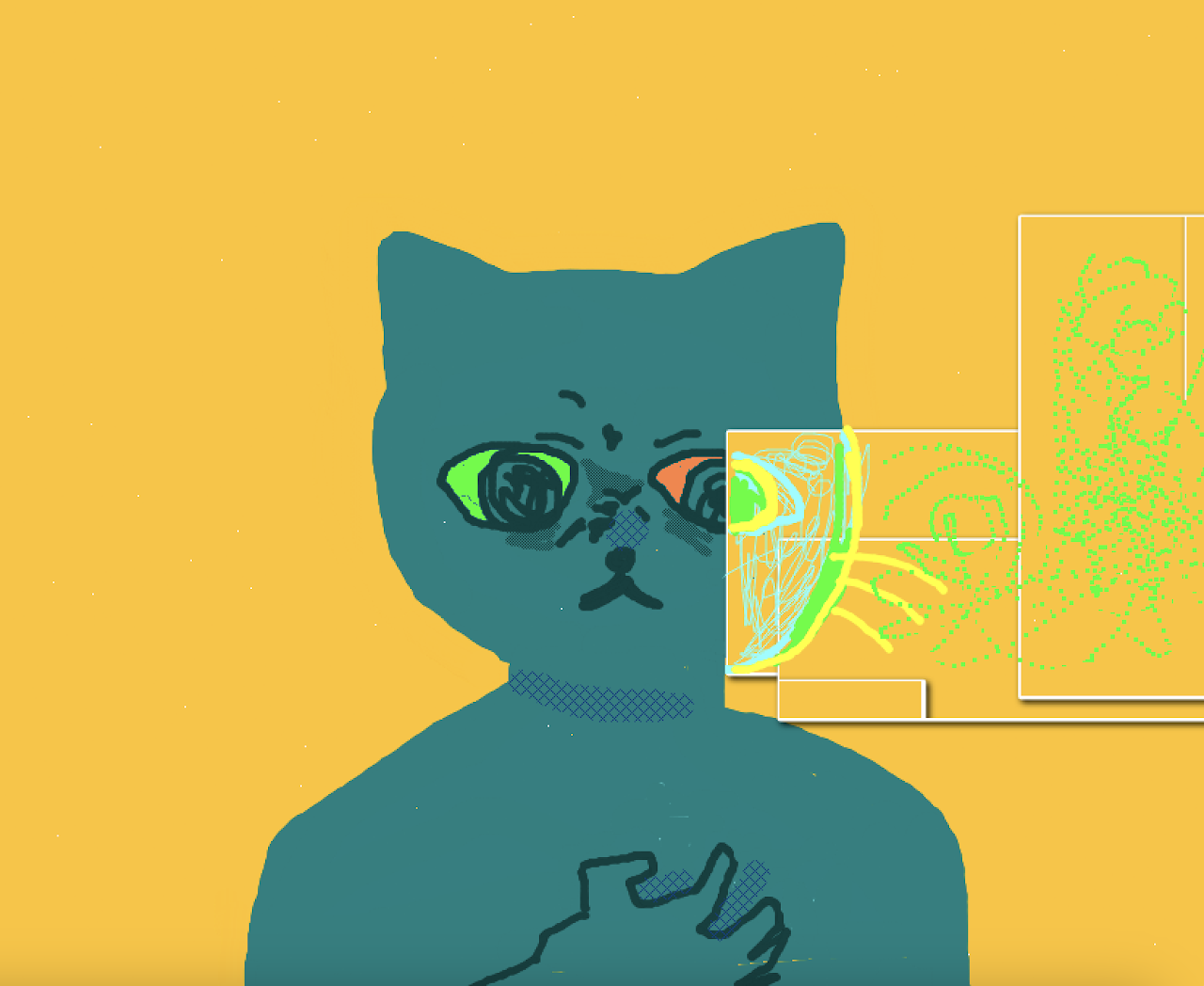




Kid Pix began in the late 1980s when Craig Hickman, observing his young son Ben struggle with the complexities of MacPaint on their Macintosh computer, decided to create a simpler drawing program tailored for children. Hickman developed an initial black-and-white version, releasing it as freeware in November 1989, before enhancing it with color, sound effects, and more features for a commercial edition called Kid Pix Professional, which he sold directly for $25 starting in 1990 and managed to distribute about 100 copies.
Encouraged by positive feedback, Hickman submitted the software to Broderbund Software that summer, and the company quickly acquired publishing rights, releasing the polished Kid Pix 1.0 in March 1991 to widespread acclaim for its playful interface, whimsical tools like exploding erasers and wacky brushes, and child-friendly design that emphasized fun and creativity without needing manuals. The program became a massive hit in schools and homes, winning awards and expanding to versions for Windows and other platforms through the 1990s, with updates like Kid Pix Studio and Deluxe editions adding slideshows, animations, and multimedia features under Broderbund and later publishers.
Ownership shifted over time as Broderbund was acquired, eventually passing to Houghton Mifflin Harcourt, but in 2011 Software MacKiev fully acquired the brand and has continued developing modern iterations, including 3D capabilities and adaptations for newer systems, keeping the spirit of accessible digital art alive for new generations.